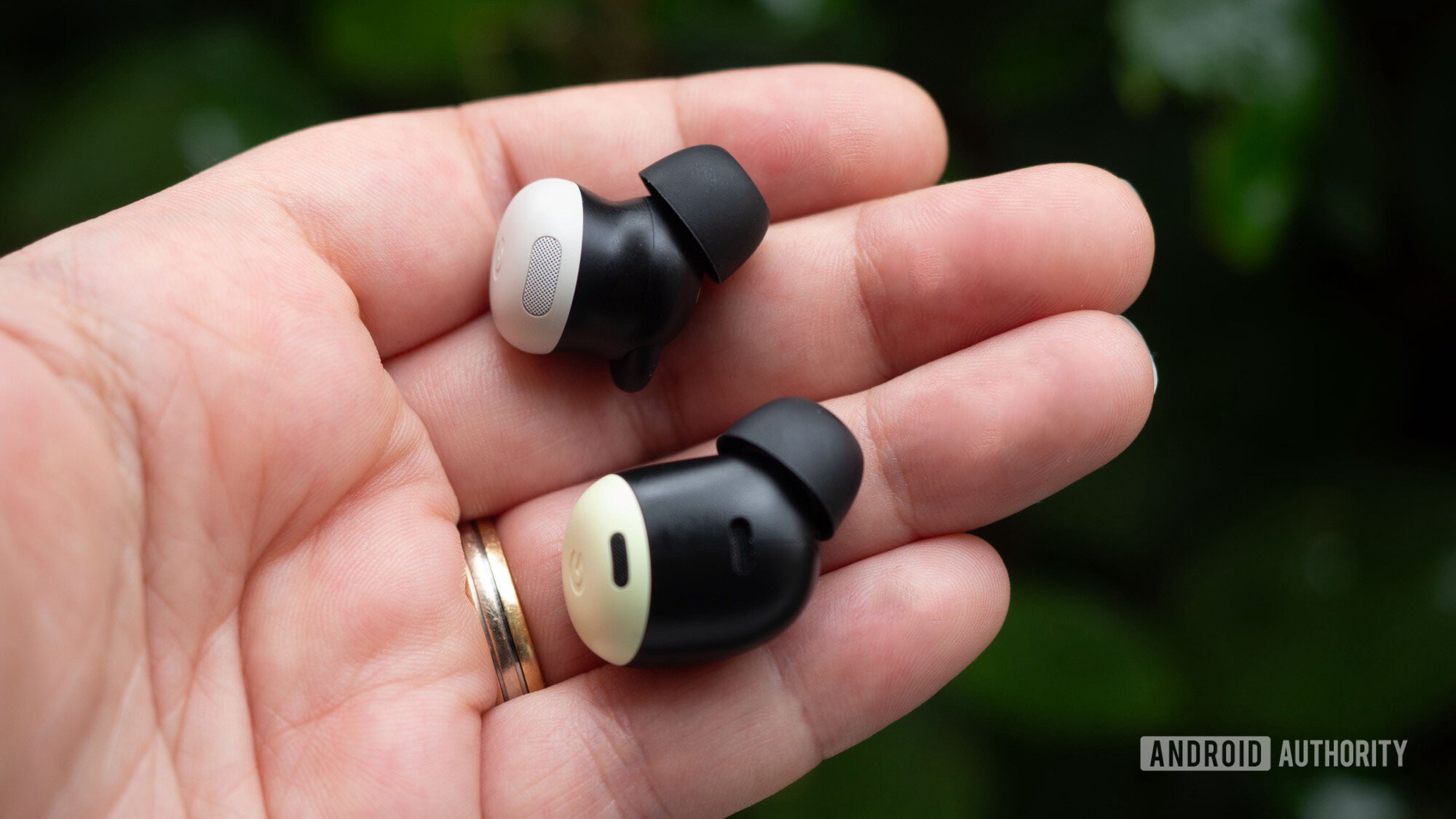
As Apple continues to refine its wireless audio lineup, attention is turning toward how hardware like the prospective AirPods 5 handles processing workloads. Central to this discussion is the role of the H2 chip, which serves as the core processor for the company's audio accessories.
The division between on-earbud processing and host-device reliance remains a vital technical balance. Integrated silicon typically tackles time-sensitive tasks directly on the hardware, such as real-time audio adjustments, active listening features, and immediate sensor inputs, ensuring low latency.
Meanwhile, heavier data processing and deeper system integrations are offloaded to the paired iPhone. This architecture helps preserve battery efficiency on compact earbuds while still delivering advanced computational audio and intelligent software features.
Check the original report by The Mac Observer for full details.