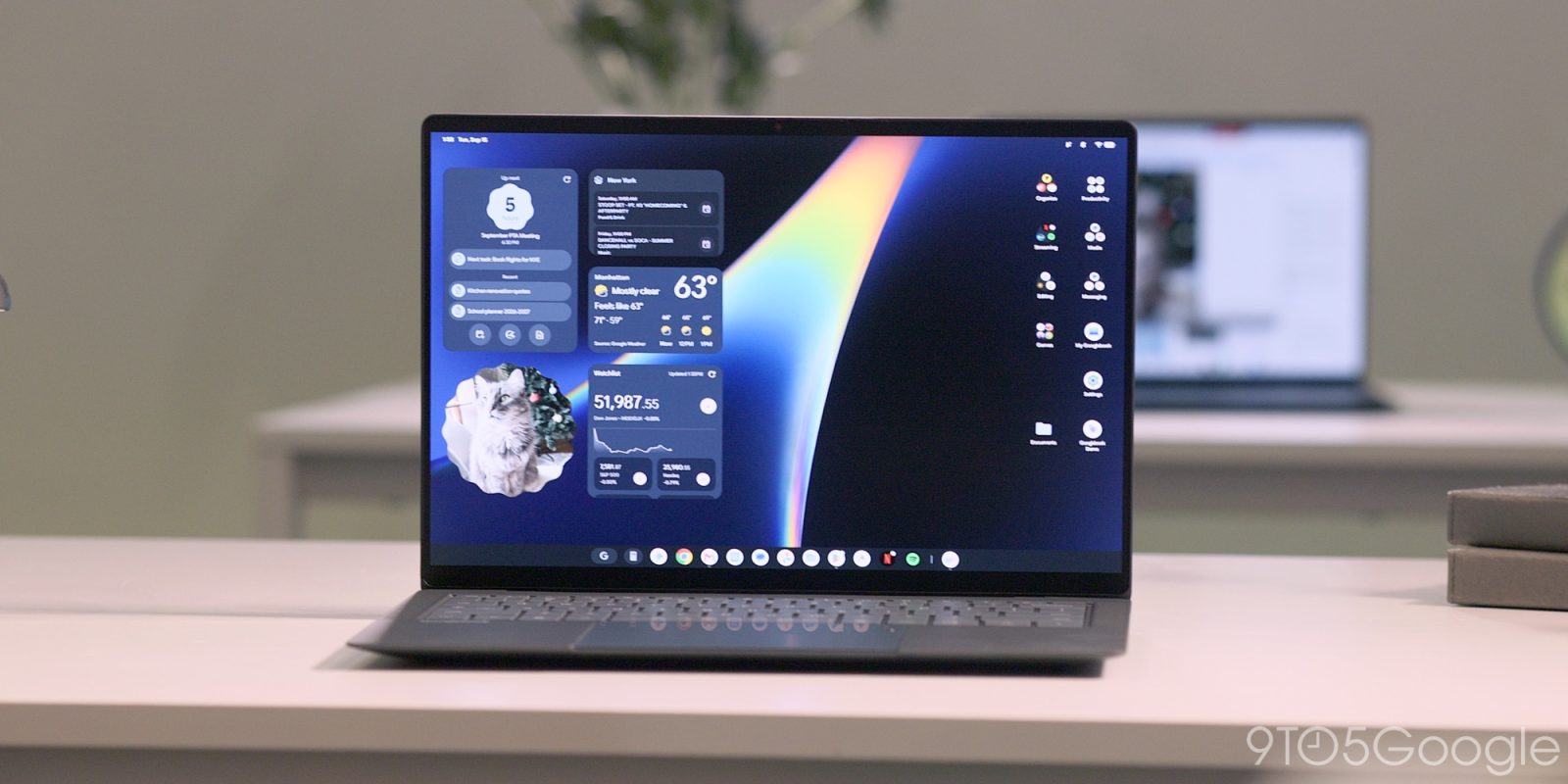
Chromebooks featuring Intel chipsets may run into performance issues when tasked with running more demanding or "complex" Android applications. While Google's desktop platform has integrated Android software support for years, heavier mobile applications appear to present specific challenges on these configurations.
The friction likely stems from underlying architecture differences. Most Android apps are natively compiled and optimized for ARM-based processors, requiring translation layers or specific adaptations to run smoothly on traditional Intel x86 hardware. As mobile applications grow increasingly sophisticated, these translation overheads can become more noticeable.
While simpler everyday tools and lightweight apps may continue to function normally, users depending on resource-heavy Android software on Intel-powered ChromeOS hardware might experience less than ideal performance.
For full details and further analysis, check the original reporting at 9to5Google.