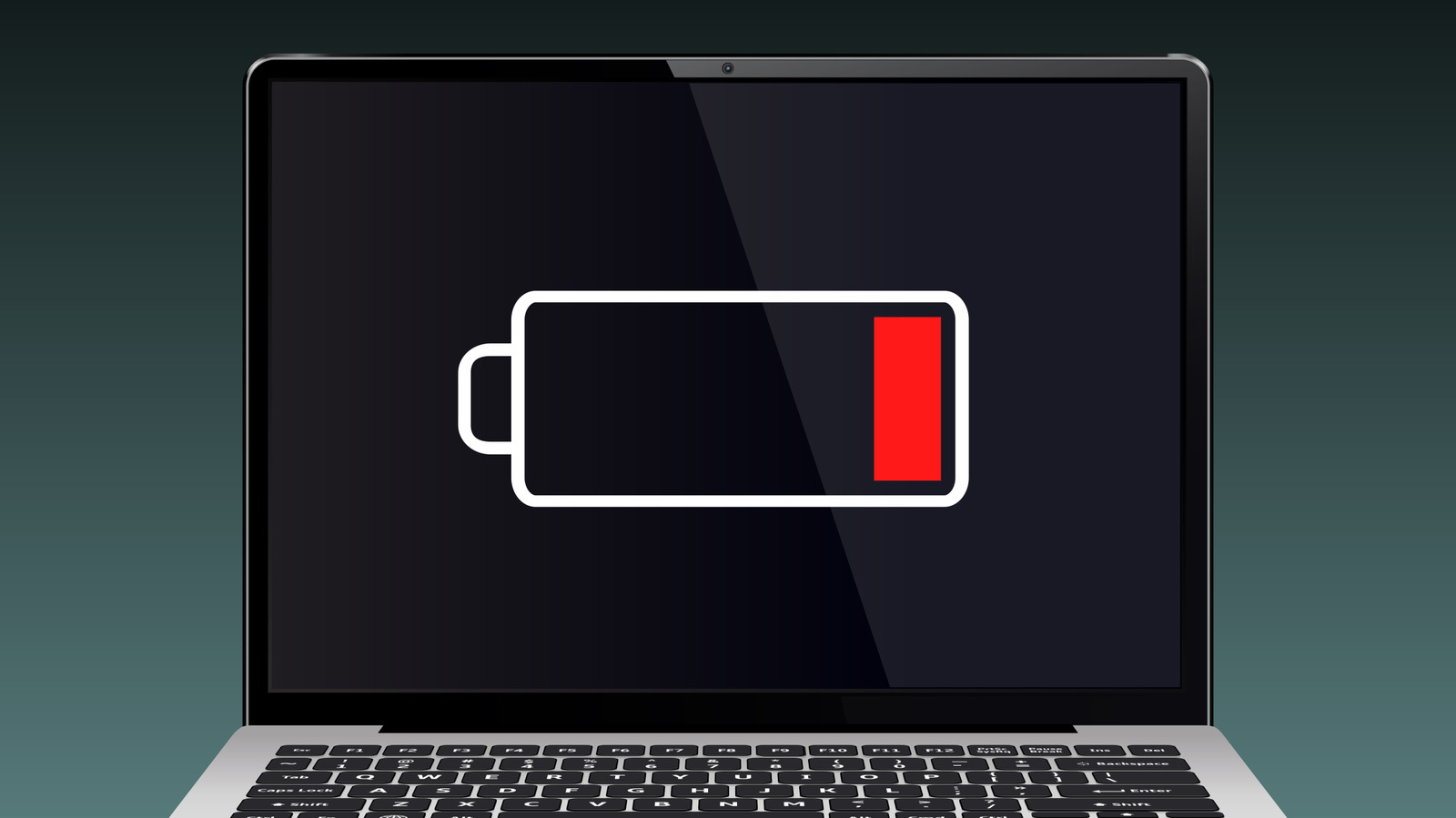
Running a laptop battery down to zero percent is a common scenario for mobile users, but concerns often linger over whether a complete drain causes lasting hardware damage. A detailed look into modern battery behavior clarifies what actually takes place under the hood when your machine suddenly powers down.
Modern portable computers rely on lithium-ion batteries paired with advanced power management controllers. When an operating system signals that the battery has reached zero percent, the system intentionally initiates a shutdown well before the internal cells reach true chemical depletion. This protective reserve prevents deep discharge, an event that could otherwise permanently harm a battery's capacity or render it unable to recharge.
While an occasional unexpected shutdown will not instantly ruin your battery health, leaving a completely drained device uncharged for an extended period poses a greater risk. Over time, natural self-discharge can cause the voltage to dip below safety thresholds, potentially leading to accelerated wear or permanent failure.
For full details and a closer look at modern battery mechanics, be sure to check the original coverage on Engadget.