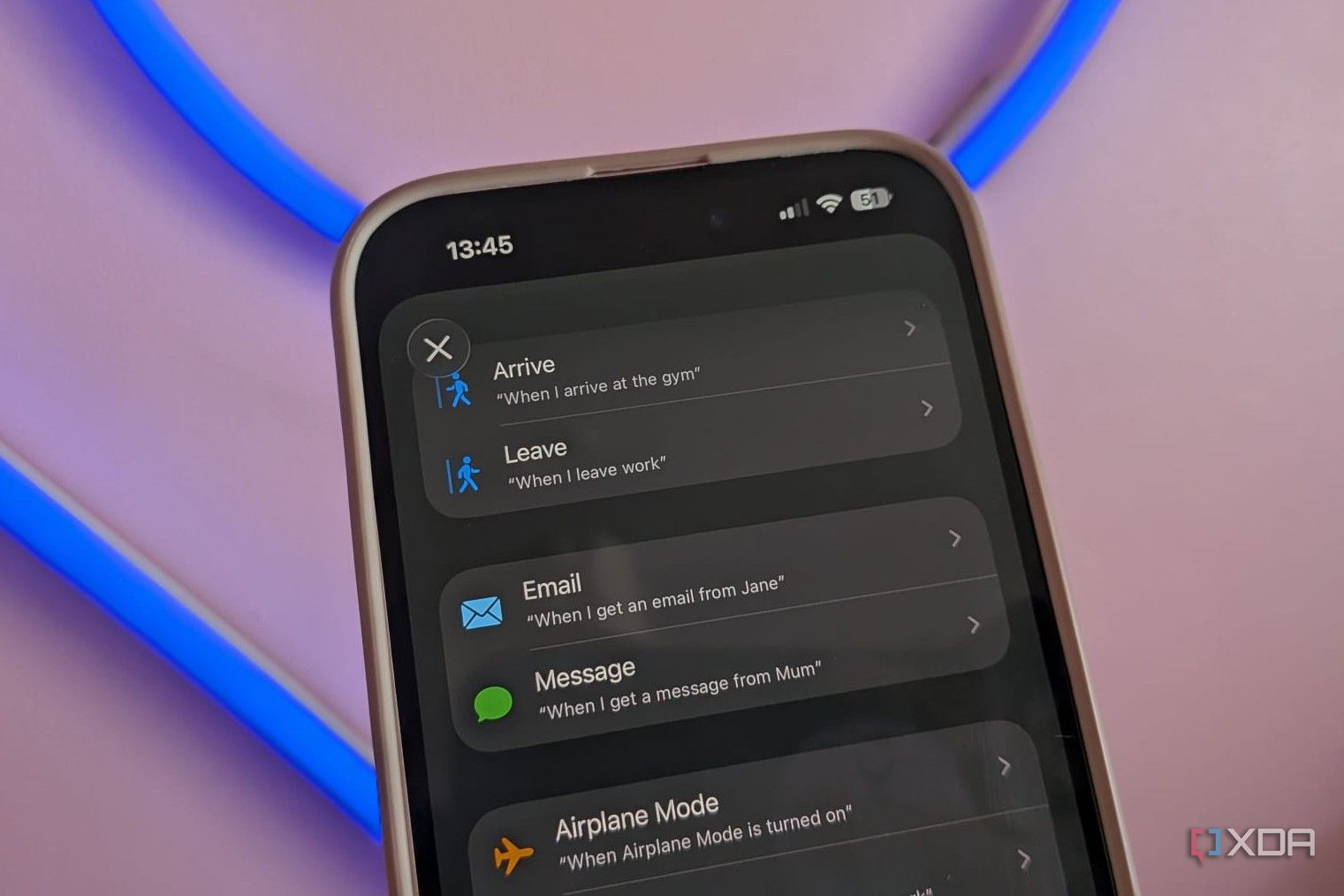
Smartphone geofencing and GPS tracking have long served as primary triggers for smart home automation, aiming to detect when residents leave or return. However, depending entirely on mobile location data often results in an experience that feels clunky rather than seamless.
The core issue lies in the latency and accuracy limitations of phone-based GPS. Because location polling intervals can be irregular to save battery, automations frequently fail to register until minutes after arrival, leaving users waiting at their front doors for smart locks to disengage or entry lights to activate.
To achieve true ambient automation, connected homes increasingly require localized presence hardware—such as Bluetooth beacons, Wi-Fi network sensing, or ultra-wideband (UWB) tracking—to bridge the gap where standard satellite positioning falls short.
For a deeper dive into modern presence detection and alternative smart home solutions, check the full analysis on XDA Developers.