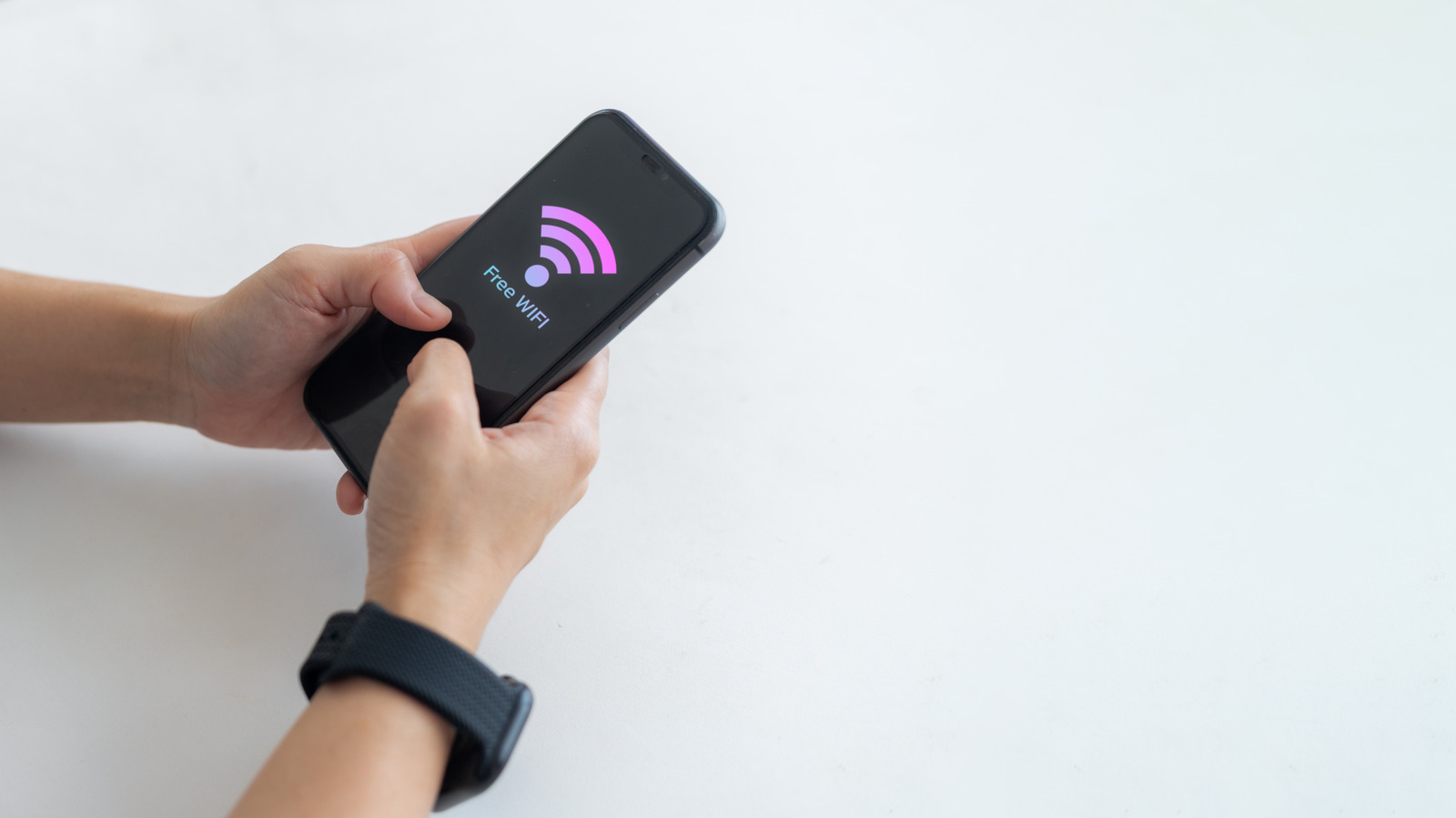
Turning your smartphone into a portable Wi-Fi hotspot is one of the most practical features in modern mobile operating systems. Whether you are traveling, working remotely, or dealing with a sudden home internet outage, mobile tethering enables laptops, tablets, and other devices to access the web wherever cellular service is available.
The biggest advantage is sheer convenience. Relying on your phone's cellular connection eliminates the need to join potentially unsecured public Wi-Fi networks at airports or cafes, giving you a more private connection. Moreover, fast mobile networks ensure that day-to-day productivity and communication remain seamless on the go.
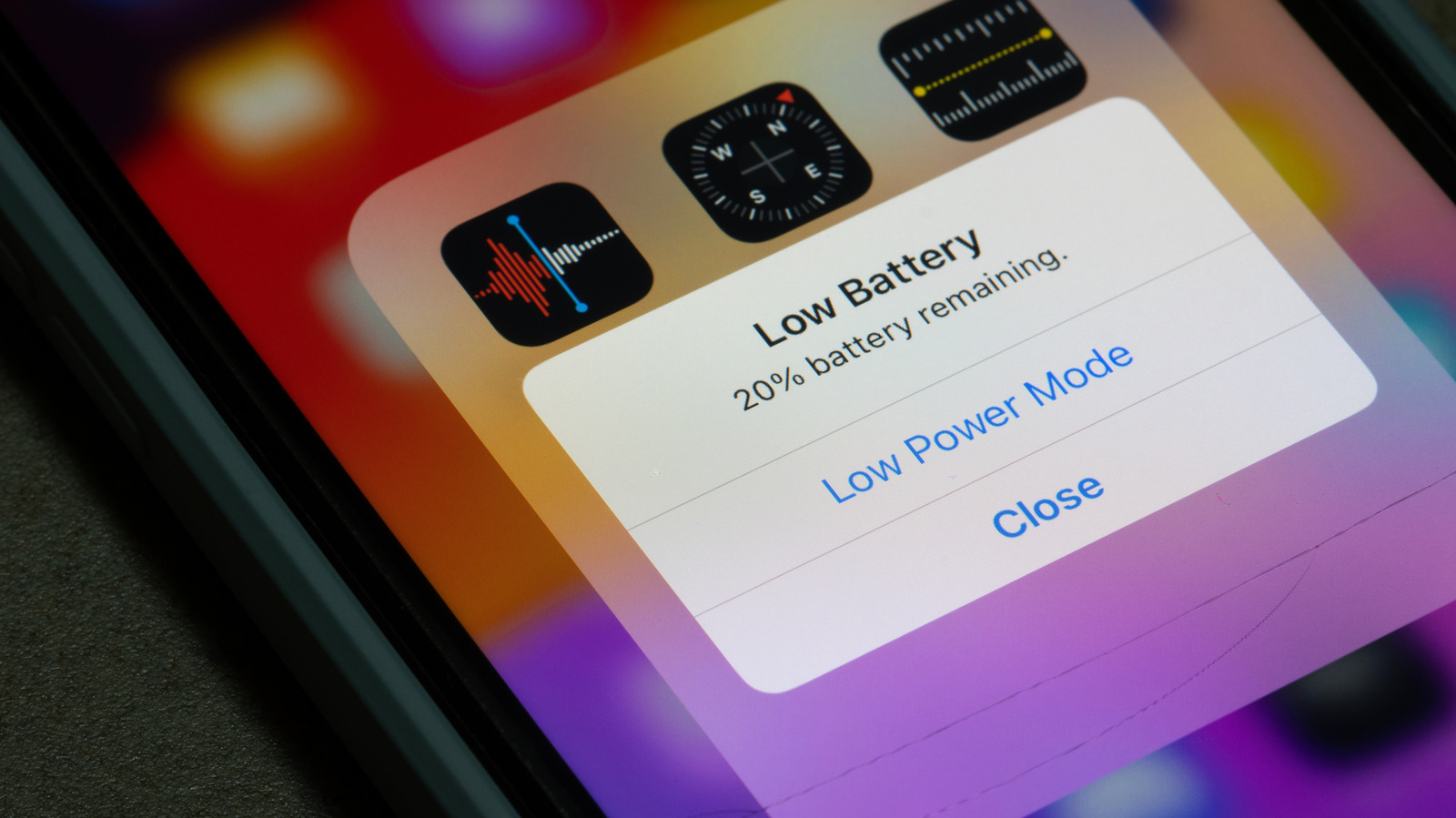
However, personal hotspots come with significant trade-offs. Broadcasting a Wi-Fi signal consumes substantial power, which can drain your phone's battery rapidly and lead to device overheating. Tethering can also burn through cellular data allowances quickly, which may trigger carrier throttling or unexpected fees depending on your specific plan limits.
For the full breakdown and recommendations on managing mobile tethering, check the original coverage on Engadget.