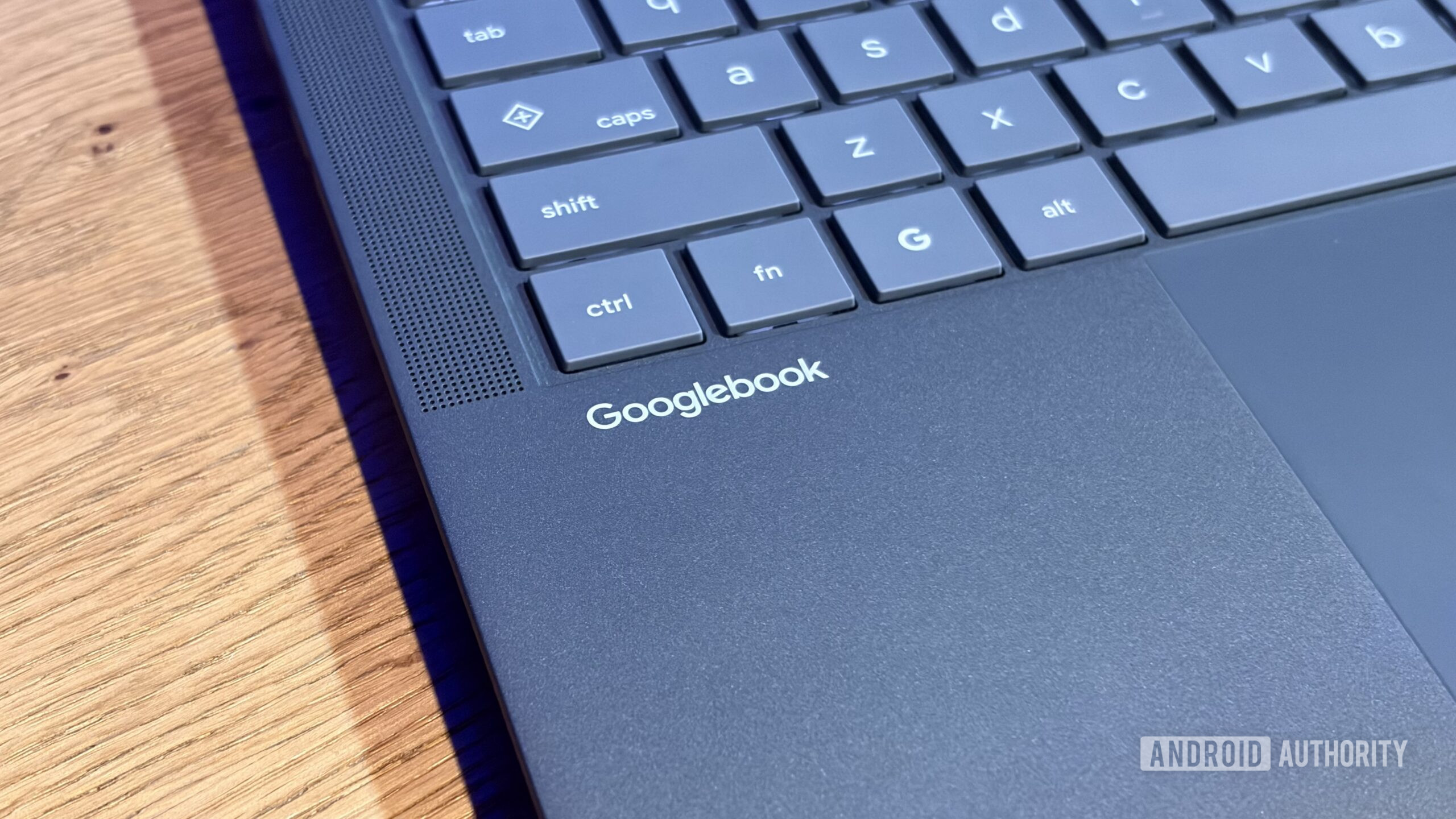
A new chip designed for Googlebooks has sparked attention, though not necessarily for groundbreaking architecture. Recent reports indicate that the newly unveiled processor is effectively a rebranded or repurposed flagship smartphone chipset from a previous generation.
Repurposing mobile silicon for lightweight laptops is a familiar strategy in the tech industry. High-end smartphone chips often provide strong power efficiency and capable performance for everyday computing tasks, making them viable candidates for entry-level or cloud-focused notebooks.
However, presenting familiar mobile hardware under the banner of a brand-new computer processor raises questions about real-world performance gains. While it may help keep device costs accessible, users should not expect the processing leaps typical of genuinely next-generation hardware.
Be sure to check the original reporting on Android Authority for full details and analysis.