Speculation surrounding Apple's evolving hardware roadmap often highlights how the company balances ultra-thin engineering with practical everyday performance. A recent report delves into why an "iPhone Air 2" may have been sidelined, focusing on the shifting design priorities and engineering challenges involved.
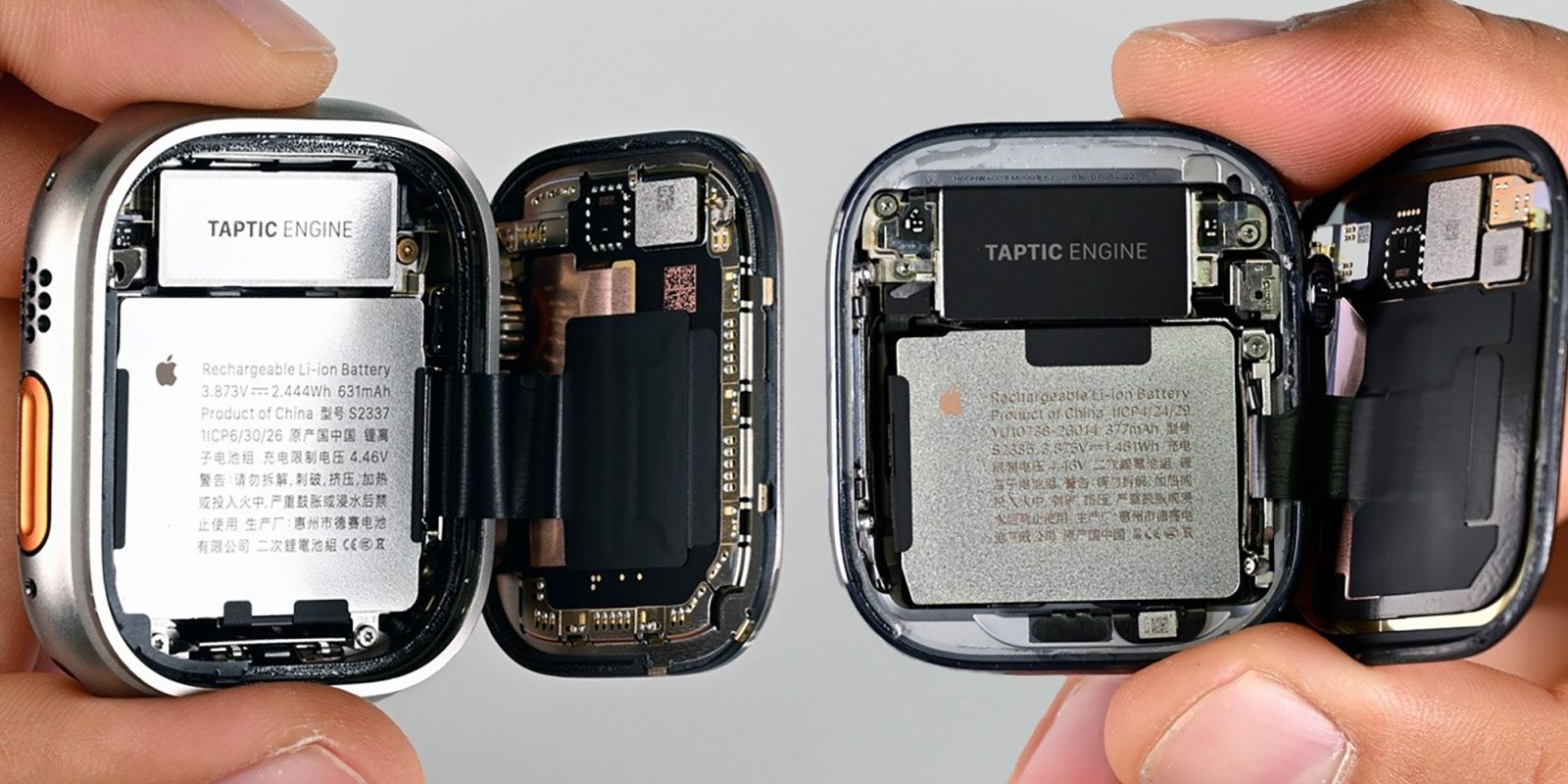
As the smartphone market leans into new form factors—including foldable displays and flexible designs—manufacturers must navigate tough compromises. Creating an ultra-slim device often clashes with the space required for robust battery life, modern camera arrays, and effective thermal management.
Apple's calculated approach to expanding its hardware lineup underscores a preference for mature, durable technologies over niche iterations. Rather than rushing experimental profiles, the company continues to evaluate how emerging form factors fit into its long-term ecosystem.
For full details and a deeper dive into the analysis, check the original report on CNET.