When evaluating a new smartphone or gadget, battery specifications can frequently cause confusion. In a recent explainer, Engadget detailed the core differences between battery capacity and battery life, emphasizing why higher numbers do not always translate directly to longer usage times.
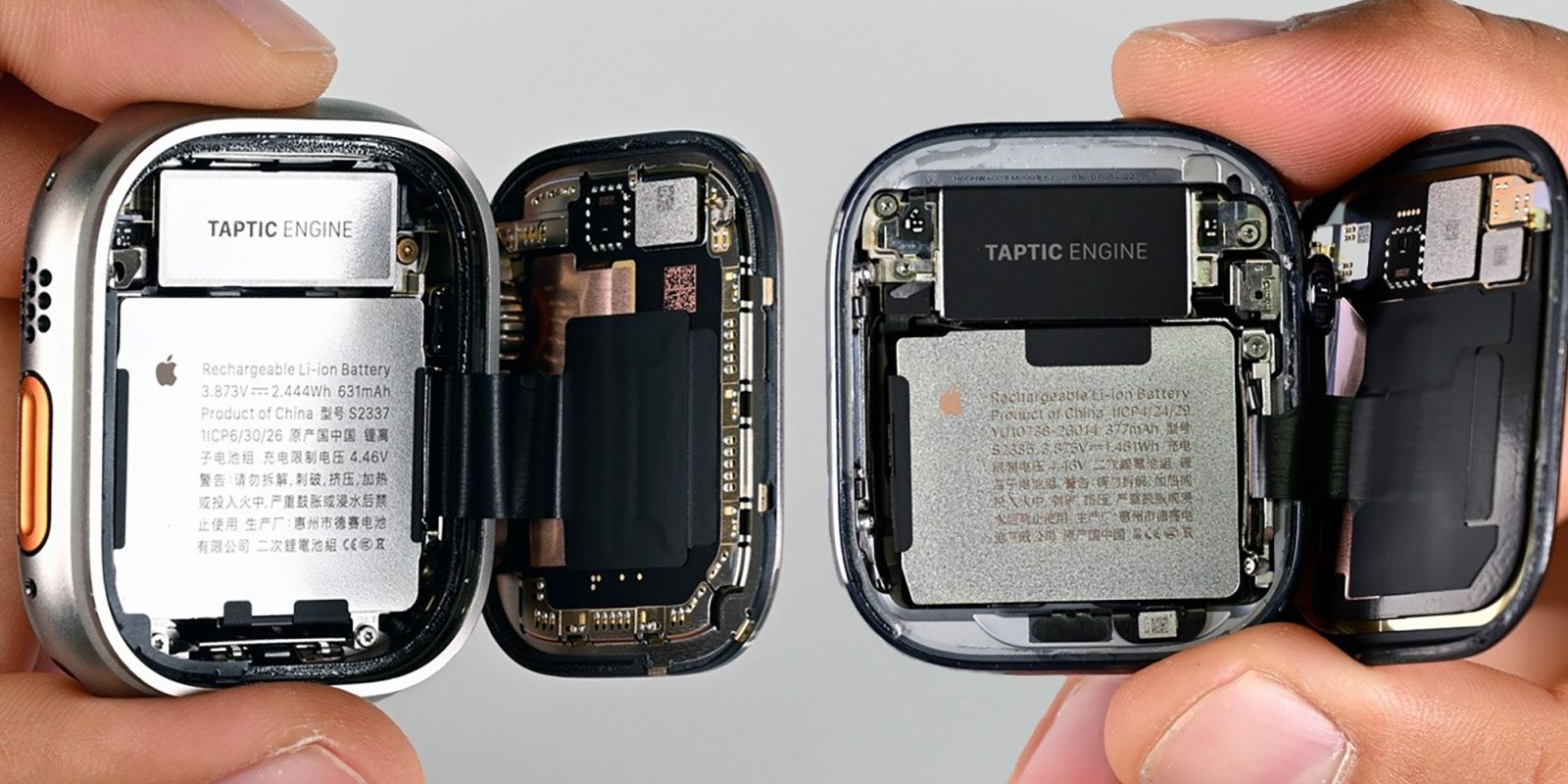
Battery capacity refers to the total volume of electrical energy a battery cell can hold, typically measured in milliampere-hours (mAh) or watt-hours (Wh). Think of it as the size of a device's fuel tank: a larger capacity physically stores more energy, but it represents potential power rather than actual performance.
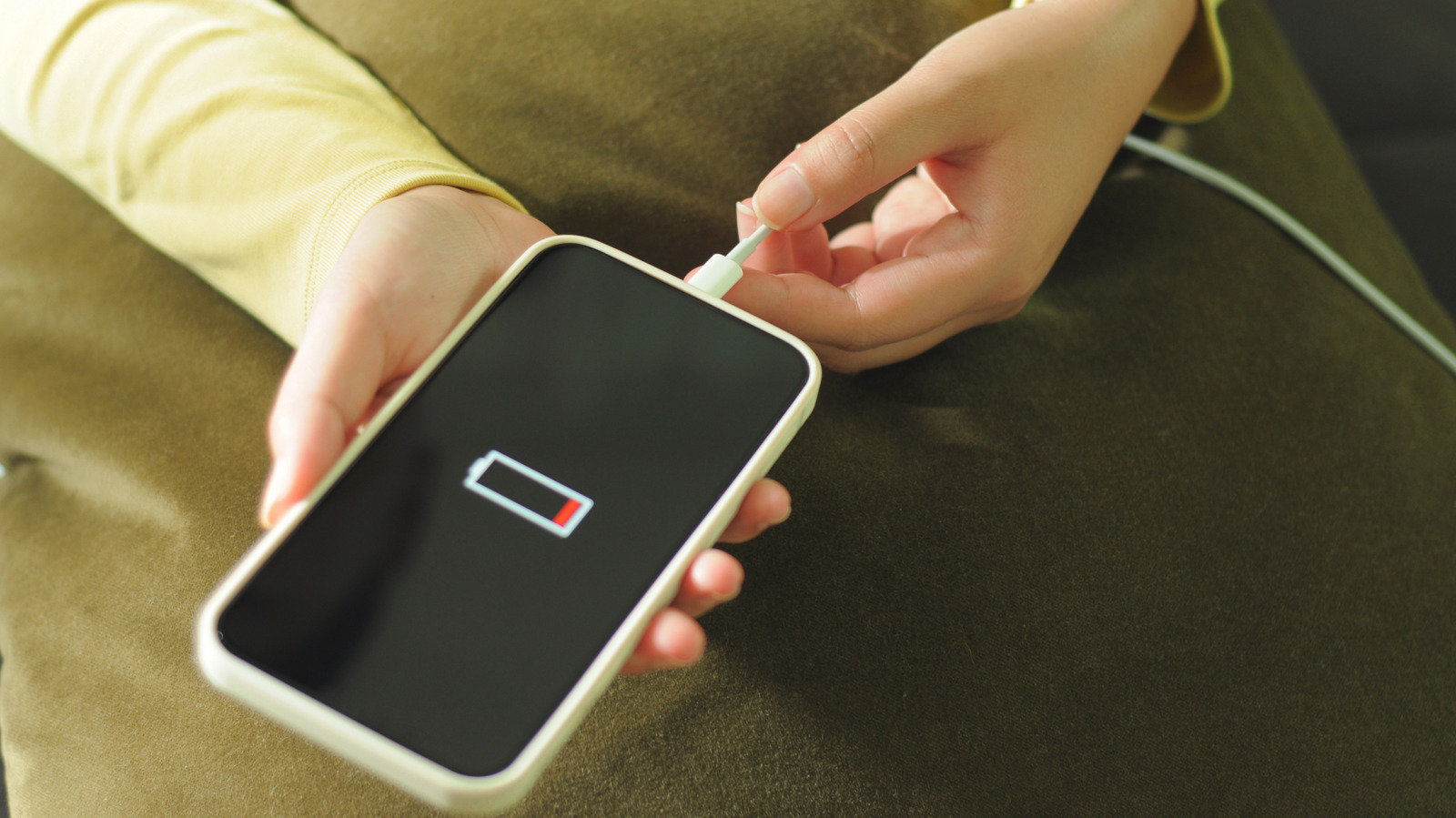
Battery life, on the other hand, measures how long a device operates on a single charge under real-world conditions. This metric depends heavily on hardware efficiency, display technology, operating system optimization, and individual usage habits. As a result, a well-optimized phone with a modest capacity can often match or exceed the runtime of a device with a much larger battery.
For a deeper look into how these concepts impact your daily electronics, check the original coverage on Engadget for full details.