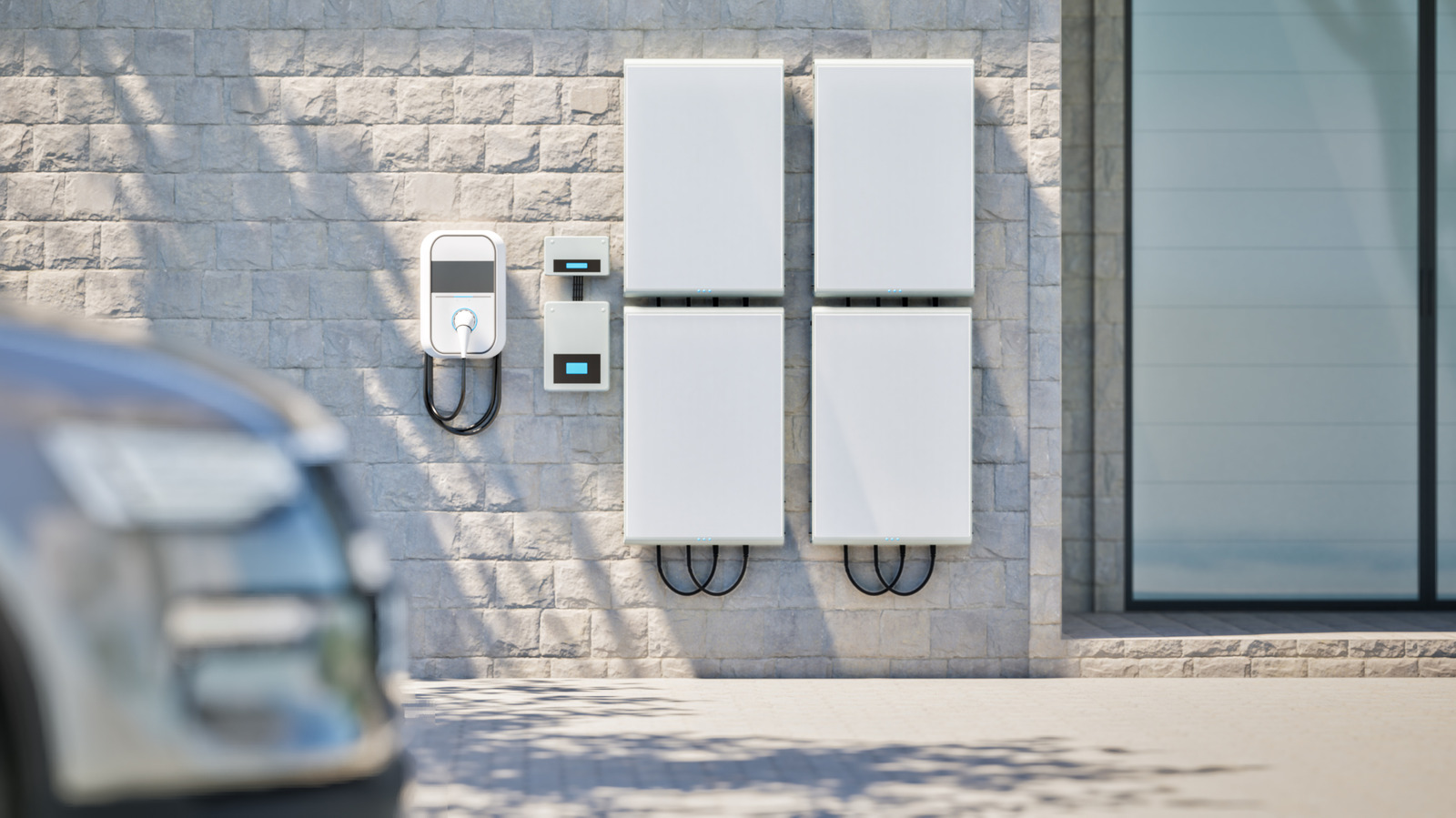
Modern electric vehicles are equipped with substantial battery packs capable of storing enough energy to supply a household during outages or peak demand periods. This bidirectional charging concept, often referred to as vehicle-to-home (V2H), effectively turns cars into backup residential power stations.
Despite the promising technology, practical barriers continue to keep most owners from taking advantage of it. Key obstacles include the need for specialized and expensive home electrical equipment, limited bidirectional support across different vehicle models, and complex installation processes.
Utility regulations and concerns surrounding battery wear also play a role in slowing down mainstream adoption, leaving bidirectional power as an emerging feature rather than a standard home energy solution.
Please check the original report on Engadget for full details.